NEW 2026:
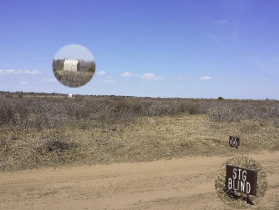
- Blind location changes: Do not be in the wrong place in so early in the morning! View the updated Directions to Blinds here updated on March 29th. Sharp-tails are NOT using the north lek this year; the new viewing blind location is identified as the west (blue). The east (green) and south (red) leks will be used for viewing as in the past. The north lek had only about 5 dancing males for the last couple years as they have been expanding and moving to other leks. This year there are a few birds hanging out near the lek, but none are coming to the lek to dance.
- No public driving through the property because birds attempting to establish leks on firebreaks are being disturbed. Interior trails are mistaken for roads and incorrectly identified on GoogleMaps and OnX. If a drivable surface is identified as a Road, you may drive on it. If it is unnamed or identified as a Fire Lane (Gomulak, Clemens and Delong/Lien), public visitors may not drive on it. The exception is the small segment of Gomulak needed from St Croix trail to get the cabin site that has the bathrooms and picnic area.
- For more information about important 2026 changes.
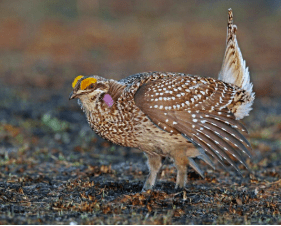
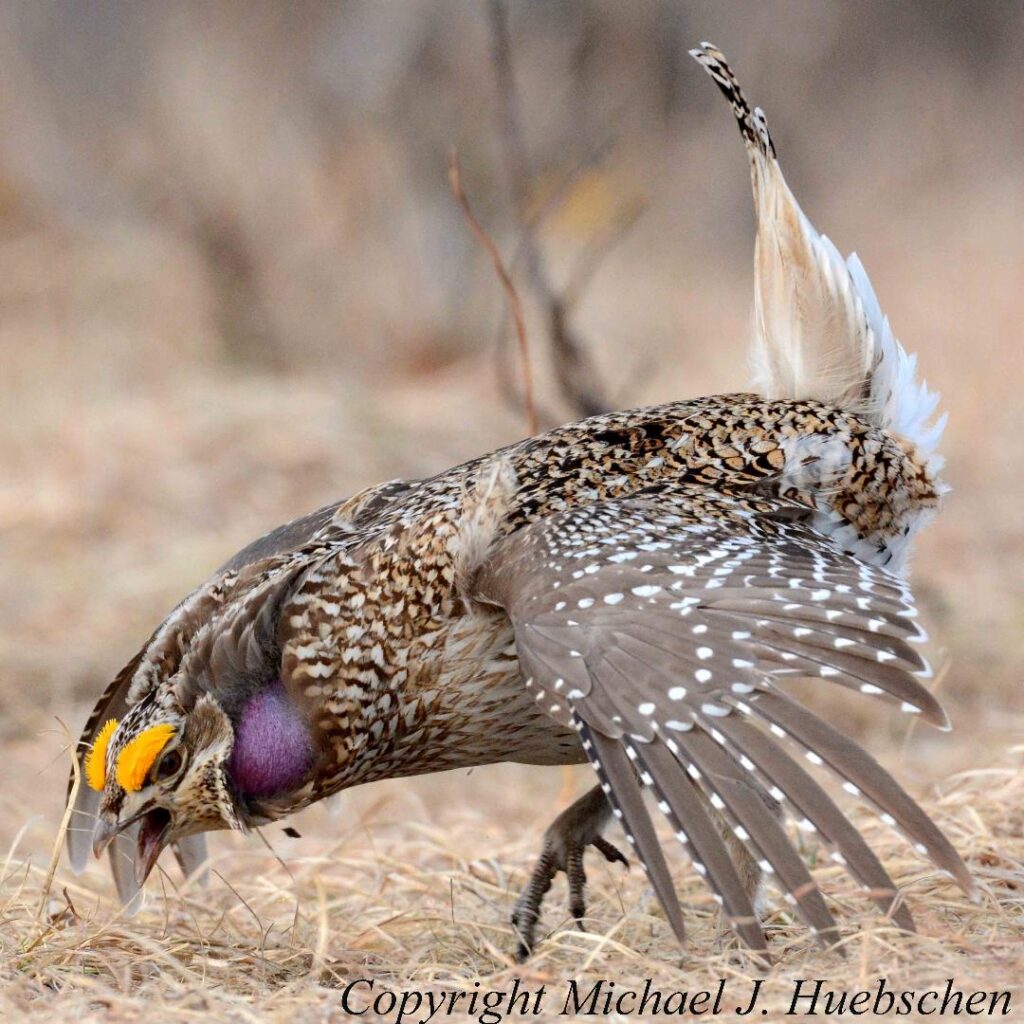
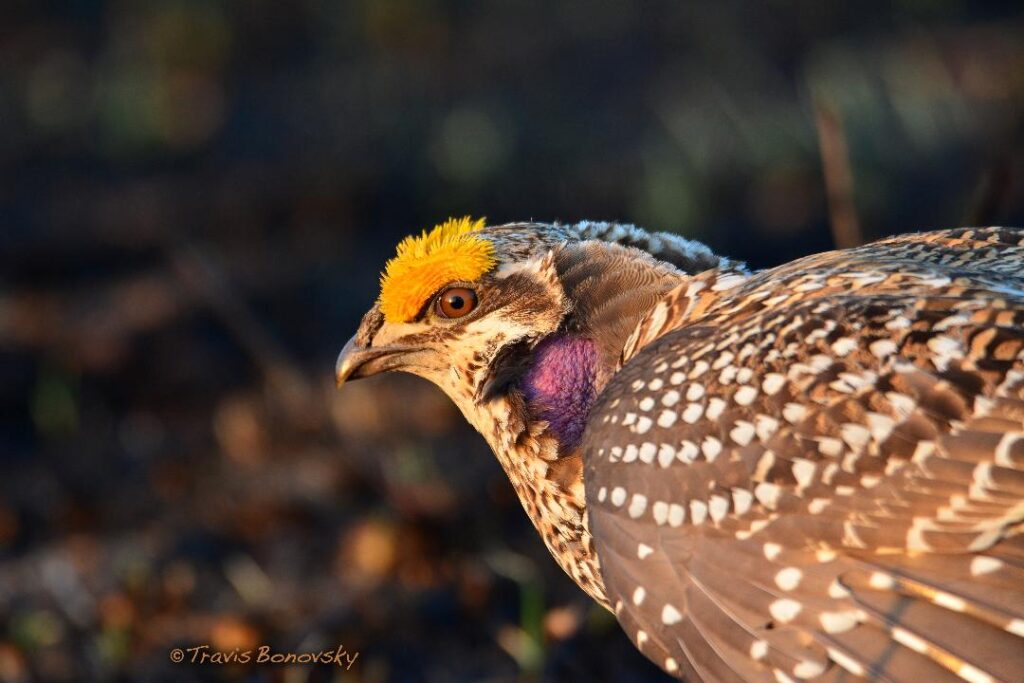
Sharp-tailed grouse viewing is available in April and May. Friends of Namekagon Barrens Wildlife Area (FNBWA) and the Wisconsin DNR make blinds available for up-close viewing of the remarkable and entertaining mating dance of the sharp-tailed grouse on the Namekagon Barrens Wildlife Area (NBWA). The NBWA is a 6,500-acre globally rare, pine/oak barrens home to a host of exceptional wildlife. Reservations fill up quickly, but cancelations are common, so check back often. The early morning wake-up is well worth it to watch from just a few feet away as males show off, competing for the chance to mate.
Steps For Registering:
1) Read the 2026 DNR blind use protocol and reserve a blind. (HERE)
2) Please donate. The FNBWA requests a minimum donation of $20 per blind reservation. See (HERE) for all that FNBWA has done with your donations.
3) If this is your first time (or you want a refresher):
a) Watch the blind reservation tutorial video (HERE)
b) You may also wish to watch the Xplorer Friends take their first trip to the blinds as they follow the WI DNR guidance on how to minimize human impact on the sharp-tails. Spoiler Alert: If you watch this, you will see exactly what you will experience. Some viewers may wish to experience it first-hand (HERE)
4) Please report any problems in making your reservation using Contact Us (HERE)
Information for planning your visit:
* Directions for reaching the blinds and parking areas are on the reservations Web site (HERE) or above. Visit your blind sometime during the day before the morning you go to see the dance.
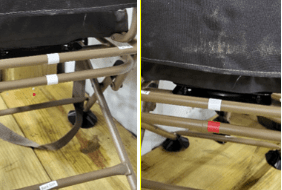
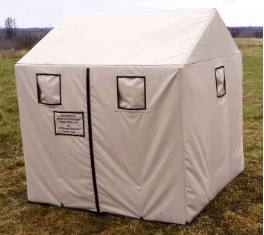
* All blinds have 3 seats. There is room for a 4th person if people are small and/or willing to be cozy, but you will need to bring an extra seat. You reserve the whole blind, not just a seat in the blind. You can watch the birds with binoculars and take photos through the window flaps on all sides of the blinds.
* A porta potty is available by the cabin on the Gomulak fire lane as soon as the weather allows the contractor to move it to the location. Visit link (HERE). Please properly dispose of toilet paper if you use the natural outdoor facilities. We suggest waiting to drink your warm drink until you are in the blind. 😊
* Camping is not allowed on the NBWA. See the Lodging Information page. (HERE)
* Initial sign-up is limited to 2 blinds/days. Look back in April or May to add more days.
* If you cannot keep a reservation, please cancel as soon as possible. (HERE)
* More videos of the mating dance are available on the FNBWA YouTube page (HERE).
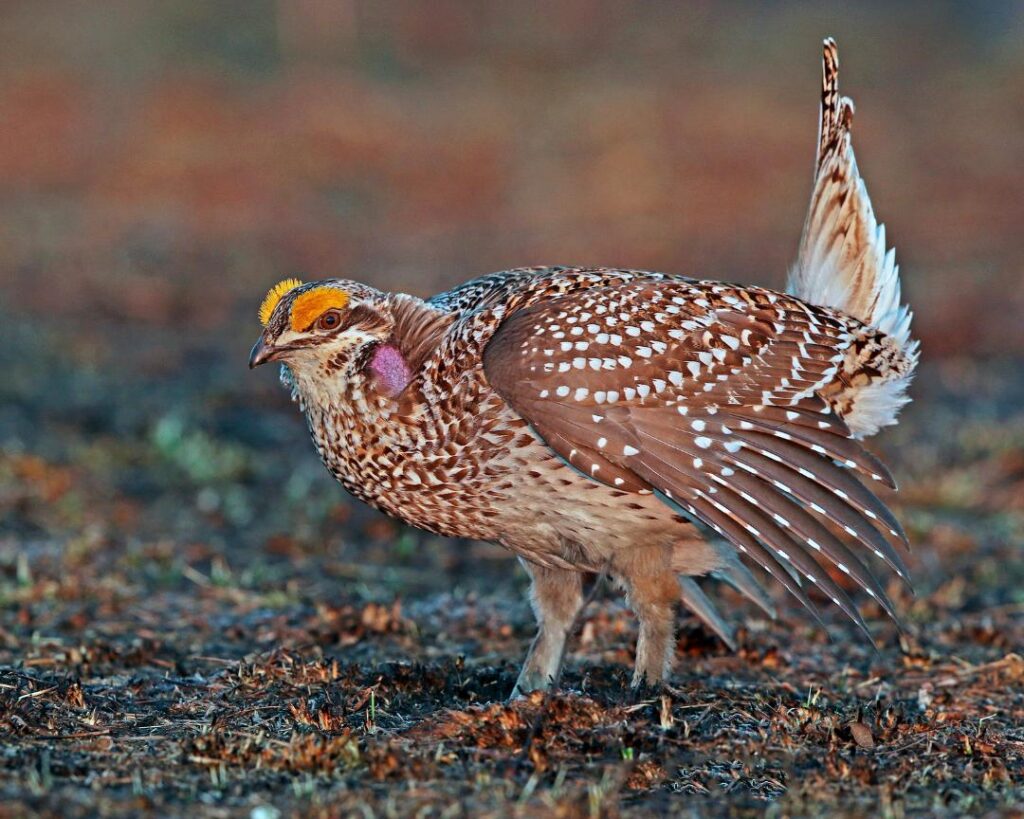
Photo by Larry Dau
Copyright Travis Bonovsky